Culture begins
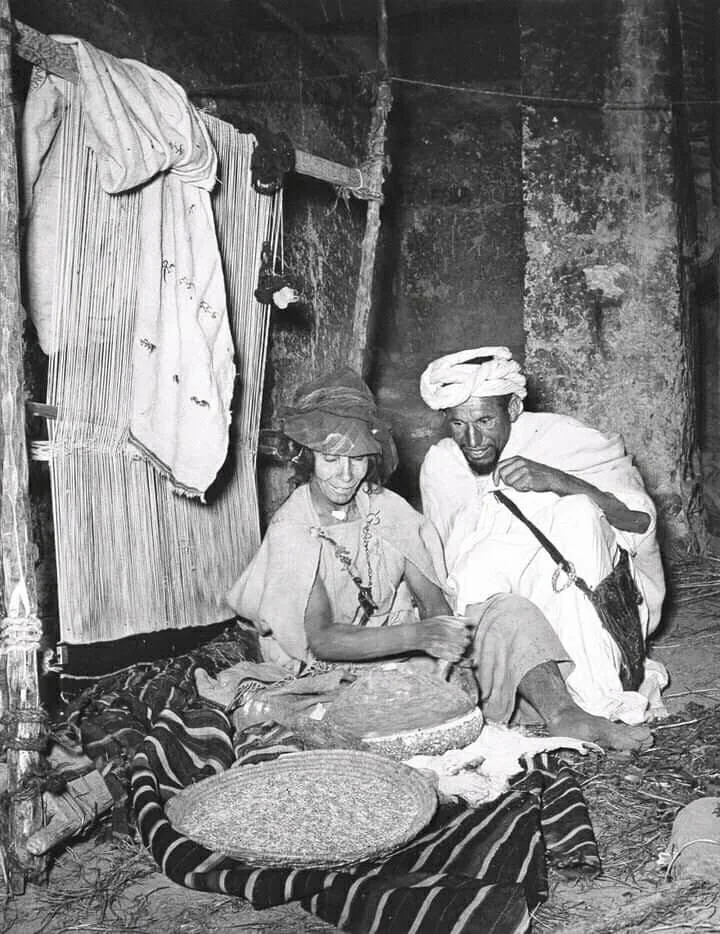
A place. A feeling. A name you already know.
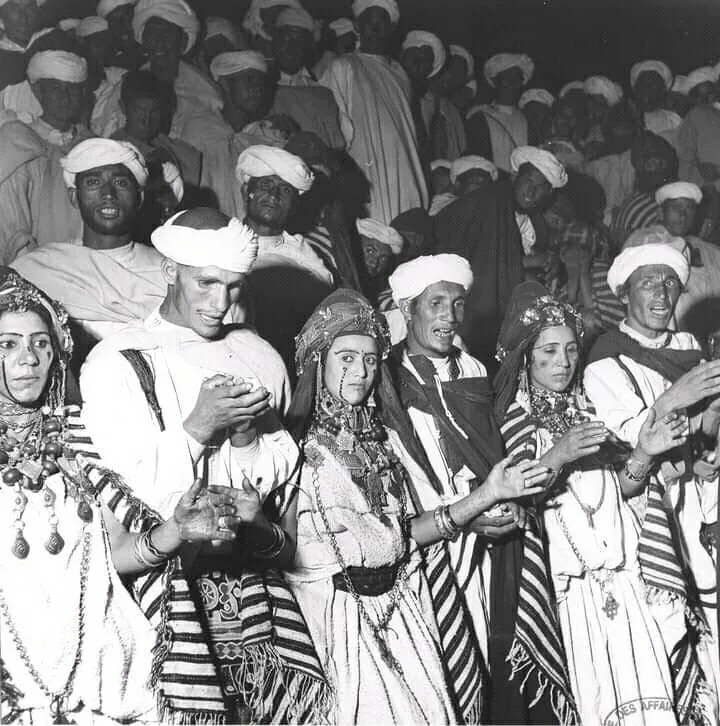
A place. A feeling. A name you already know.
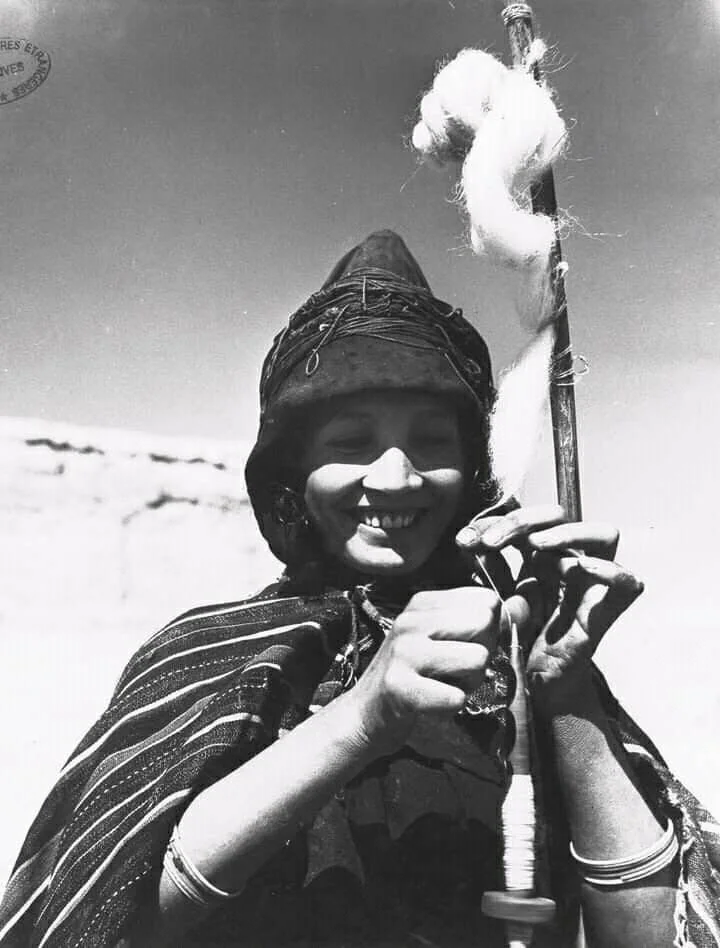
A place. A feeling. A name you already know.
where people meet
Around warmth. Around light.
Around one another.
Assamer
ASSAmer means facing the East.
A place. A feeling. A name you already know.
A place. A feeling. A name you already know.
In its feminine form, Tasammert describes the sunlit side of a village.
In winter, people gather there to catch its warmth; in summer, they return as evening falls, when the light softens and the air grows gentle.
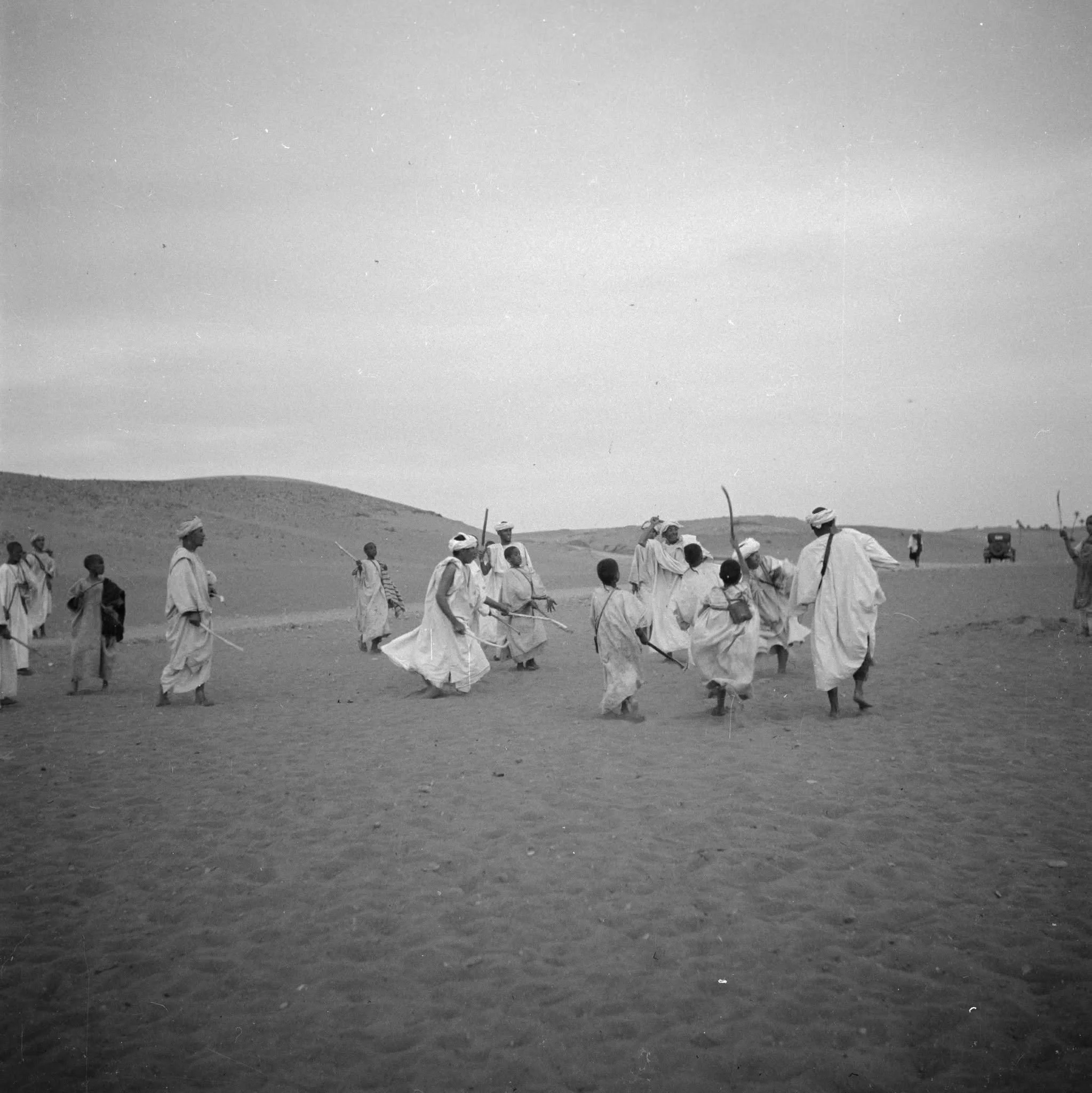
It is where conversations unfold, games begin, ideas are born, and community comes to life.
Where is your ASSamer?
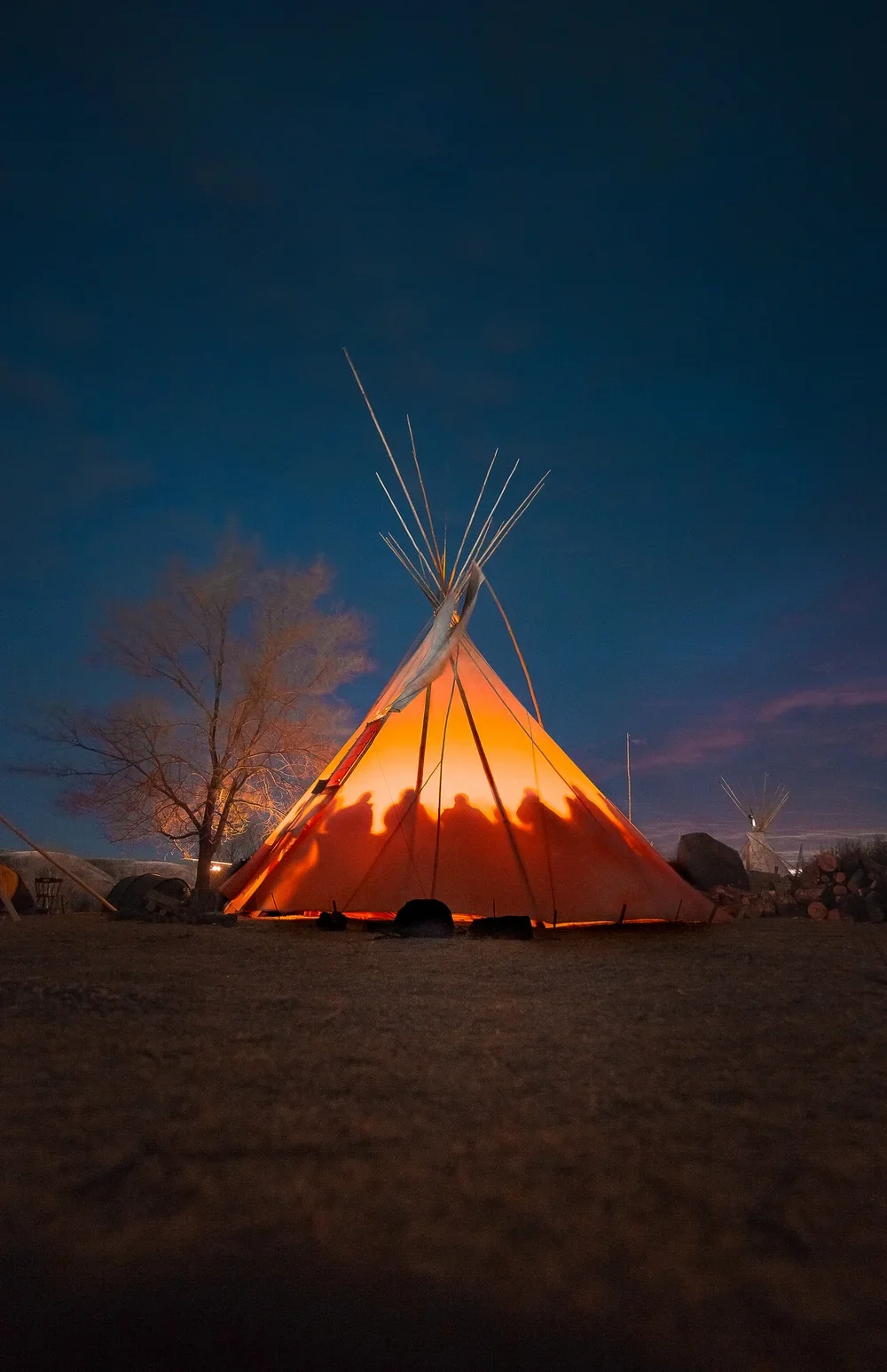
A place. A feeling. A name you already know.
A place. A feeling.
A name you already know.
A place. A feeling. A name you already know.
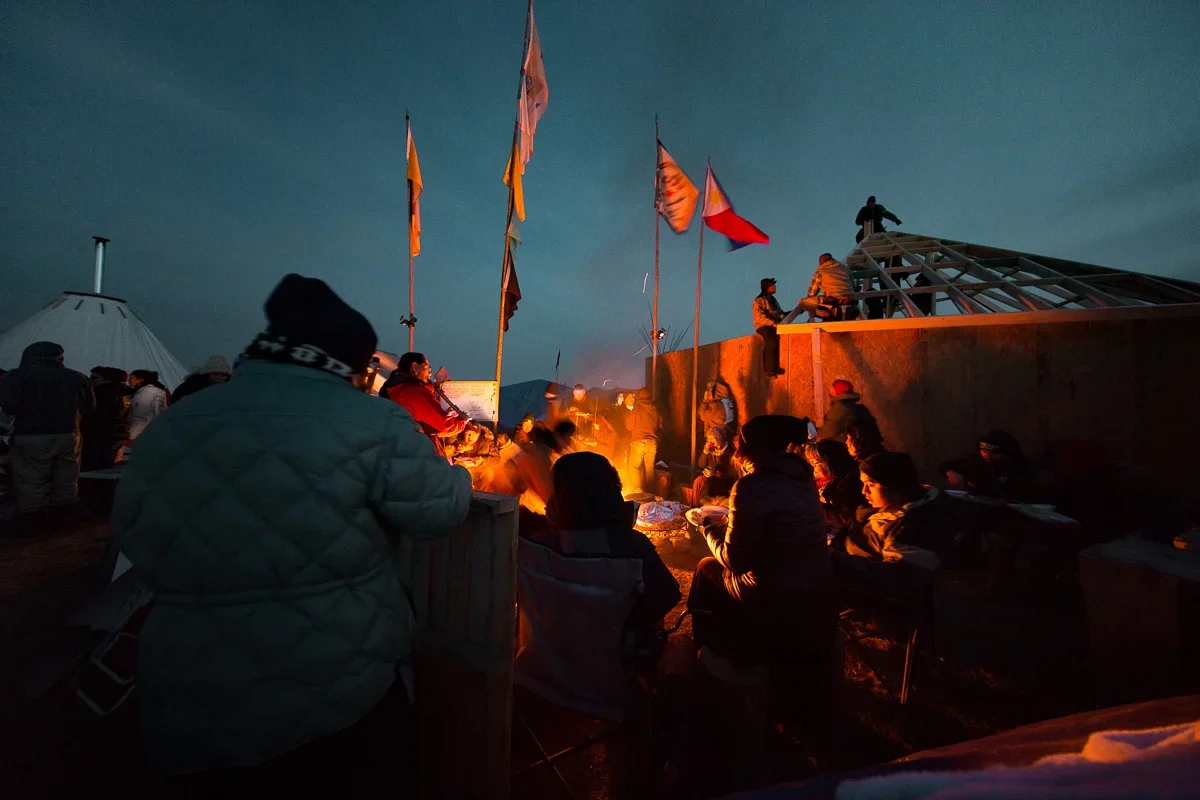
A place. A feeling. A name you already know.
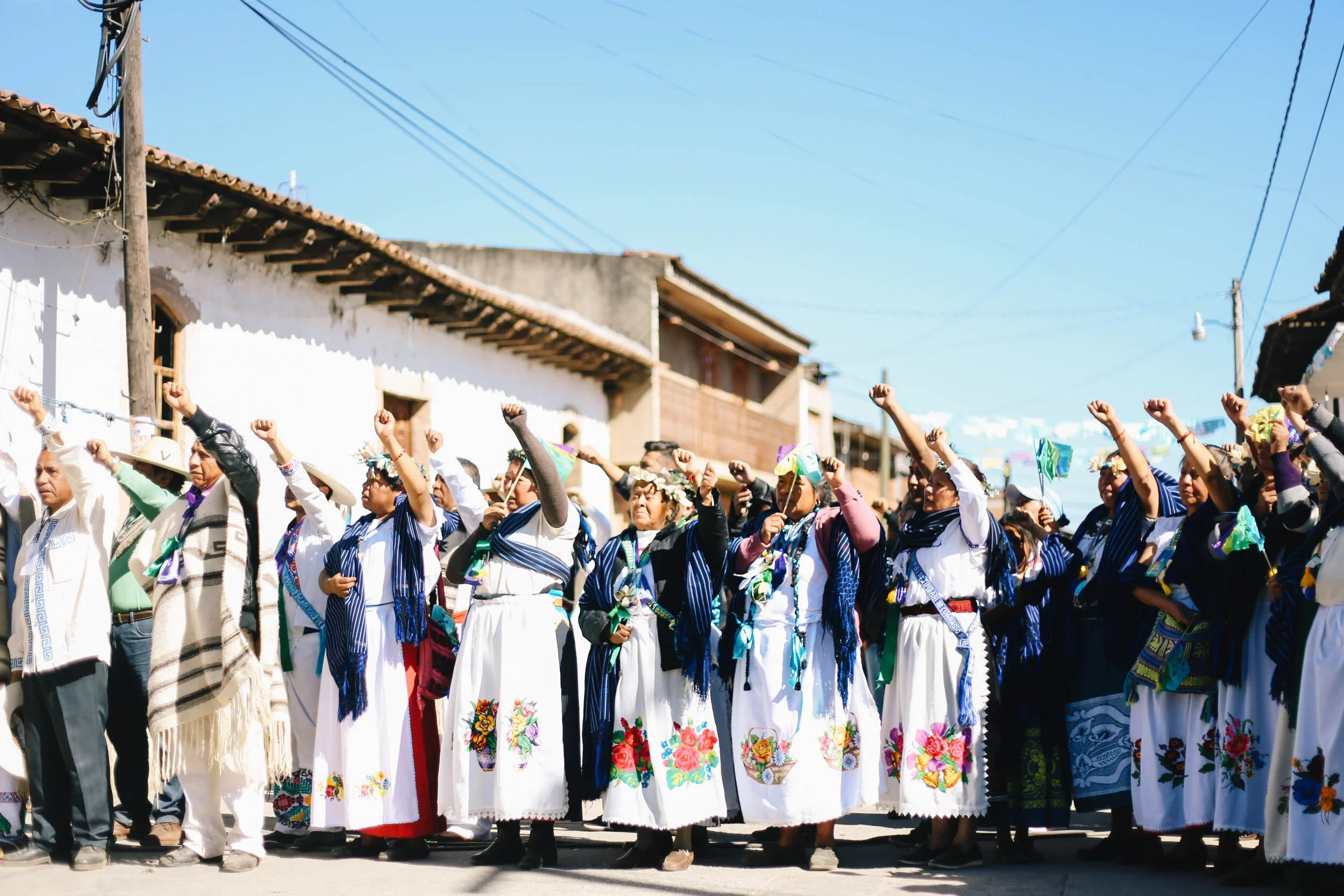
Some words describe places. Others describe what happens there. ASSAMER does both.
You may know it by another name. You may simply recognize the feeling.
Territory
Rooted in Southeast Morocco, Assamer United draws inspiration from a region that once connected Africa, the Maghreb, and beyond through the movement of people, goods, and ideas.




Today, our artistic perspective extends across North Africa, the Sahel, and the wider Global South
Practice
Assamer United works across artistic and cultural practices.
Every project takes the form it needs.
-
A screening series dedicated to films from Southeast Morocco, the wider Global South, and beyond—bringing overlooked voices into conversation through cinema.
-
Exhibitions, performances, and cultural gatherings across Morocco where cultures create new encounters.
-
A digital platform documenting, amplifying, and archiving artists and creative practices from Southeast Morocco, North Africa, the Sahel, and the wider Global South.
-
Objects, garments, and editorial works that translate the collective into forms people can live with, wear, read, and share.
-
Collaborations across artistic disciplines and geographies, creating new encounters between practices, perspectives, and cultures.
Common Ground
-
![]()
The Global South Has Stories
Southeast Morocco, and the less-heard regions of the South are not backdrops. They are protagonists. We exist to shift the gaze from spectacle to authorship, from subject to voice.
-
![]()
Openness Without Borders
Based in Casablanca, rooted in Southeast Morocco, and open to the world. Asamer United is defined by a shared commitment to artistic exchange and cultural dialogue.
-
![]()
Art Belongs to its Landscape
Our artistic language is shaped by semi-arid landscapes—their light, silence, textures, and rhythms. We see creative practice as inseparable from the territories and communities that give rise to it.
-
![]()
Creation & Representation
We believe artists should shape their own images, tell their own stories, and define the ways they are represented. Assamer United exists to support that autonomy while creating more space for the arts and cultures of the Global South.